
Gothic Home Décor: Transform Your Space with Dark Elegance
Gothic home décor is a captivating design style that draws inspiration from the medieval period, characterized by its dramatic aesthetics and rich historical context. Originating in the 12th century, the Gothic style is often associated with grand cathedrals, intricate stonework, and an overall sense of mystery and romance. In contemporary interior design, Gothic elements have been reinterpreted to create spaces that evoke a sense of the macabre, the mystical, and the enchanting.
This style appeals to those who appreciate the beauty of darkness and the allure of the unconventional, allowing for a unique expression of personality within the home. The essence of Gothic décor lies in its ability to blend elegance with an air of mystery. It often features a palette dominated by deep, rich colors, ornate details, and a variety of textures that invite tactile exploration.
The style is not merely about aesthetics; it also encompasses a philosophical approach to space, where each element contributes to an overarching narrative. By embracing Gothic home décor, individuals can transform their living spaces into realms that reflect their interests in history, literature, and the supernatural, creating an environment that is both inviting and intriguing.
Key Takeaways
- Gothic home décor embraces dark colors and textures to create a mysterious and dramatic atmosphere.
- Incorporating gothic furniture and accessories such as ornate mirrors and velvet drapes can enhance the gothic aesthetic.
- Dramatic lighting and accents, such as candelabras and chandeliers, can add to the gothic ambiance of a space.
- Gothic art and decorations, such as tapestries and antique portraits, can contribute to the overall mysterious atmosphere of a gothic home.
- Balancing gothic elements with modern design can create a unique and stylish gothic-inspired space.
Embracing Dark Colors and Textures
Dark Colors Set the Tone
Shades such as deep burgundy, midnight blue, forest green, and charcoal gray dominate the color palette, establishing a moody atmosphere that is quintessentially Gothic. These colors can be used on walls, furniture, and textiles to create a dramatic effect.
Textures Add Depth and Interest
Textures play an equally important role in achieving a Gothic aesthetic. The interplay between various materials adds depth and interest to the design. Luxurious fabrics like velvet and brocade can be used for upholstery or drapery, providing a sumptuous feel that invites comfort.
Layering Textures for a Multi-Dimensional Environment
Incorporating elements such as wrought iron, dark wood, and stone can further enhance the tactile experience within the space. For example, a heavy wooden dining table paired with intricately carved chairs can evoke a sense of grandeur reminiscent of medieval banquets. Layering different textures not only enriches the visual appeal but also creates a multi-dimensional environment that captivates the senses.
Incorporating Gothic Furniture and Accessories
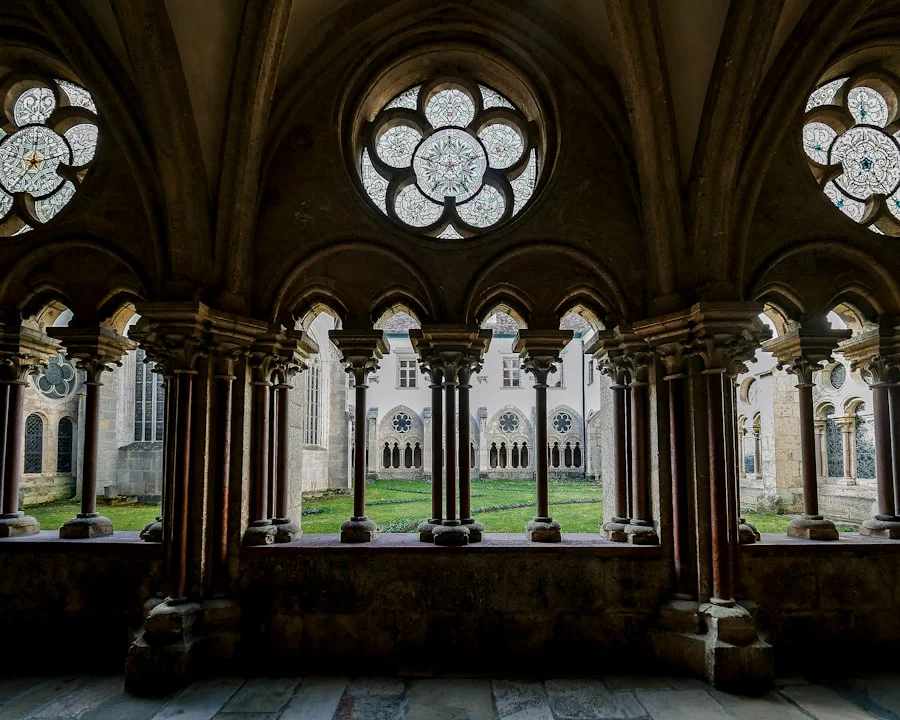
When it comes to Gothic furniture, the focus is often on pieces that feature ornate detailing and historical references. Furniture items such as high-backed chairs, intricately carved tables, and four-poster beds are quintessentially Gothic. These pieces often showcase craftsmanship that reflects the artistry of bygone eras.
For instance, a dark oak sideboard with elaborate carvings can serve as both a functional storage solution and a statement piece that anchors the room in its historical context. Accessories are equally vital in achieving a cohesive Gothic look. Items such as candelabras, antique mirrors with ornate frames, and decorative skulls can add layers of intrigue to the décor.
Additionally, incorporating textiles like lace table runners or embroidered cushions can soften the overall look while still adhering to the Gothic theme. A well-placed tapestry depicting mythical creatures or historical scenes can serve as a stunning focal point that sparks conversation and curiosity among guests.
Adding Dramatic Lighting and Accents
Lighting is a crucial element in Gothic home décor, as it sets the mood and enhances the overall atmosphere of a space. The use of dramatic lighting fixtures can transform an ordinary room into an extraordinary one. Chandeliers with intricate designs made from wrought iron or crystal can serve as stunning centerpieces in dining rooms or entryways.
These fixtures not only provide illumination but also act as works of art that draw the eye upward, emphasizing the height and grandeur of the space. In addition to chandeliers, incorporating various light sources can create layers of illumination that enhance the Gothic aesthetic. Table lamps with stained glass shades or candle-style bulbs can add warmth and intimacy to living areas or bedrooms.
Wall sconces placed strategically along hallways or above artwork can create pools of light that highlight architectural features or decorative elements. The interplay between light and shadow is essential in Gothic design; thus, using dimmers allows for control over brightness levels, enabling homeowners to adjust the ambiance according to their mood or occasion.
Creating a Mysterious Atmosphere with Gothic Art and Decorations
Art plays a pivotal role in establishing a mysterious atmosphere within Gothic home décor. The choice of artwork can evoke emotions ranging from intrigue to nostalgia, often reflecting themes of nature, mythology, or the supernatural. Classic paintings featuring dark landscapes or haunting portraits can serve as conversation starters while enhancing the overall aesthetic.
For example, a large canvas depicting a stormy sea or a moonlit forest can create a dramatic focal point in a living room or hallway. In addition to traditional artwork, incorporating sculptures or decorative objects inspired by Gothic architecture can further enrich the space. Gargoyle figurines, skull motifs, or even antique globes can add layers of meaning and history to the décor.
Wall-mounted art pieces made from wrought iron or wood can also contribute to the overall theme while providing visual interest at varying heights. By thoughtfully curating art and decorations that resonate with Gothic themes, homeowners can create an immersive environment that invites exploration and contemplation.
Balancing Gothic Elements with Modern Design
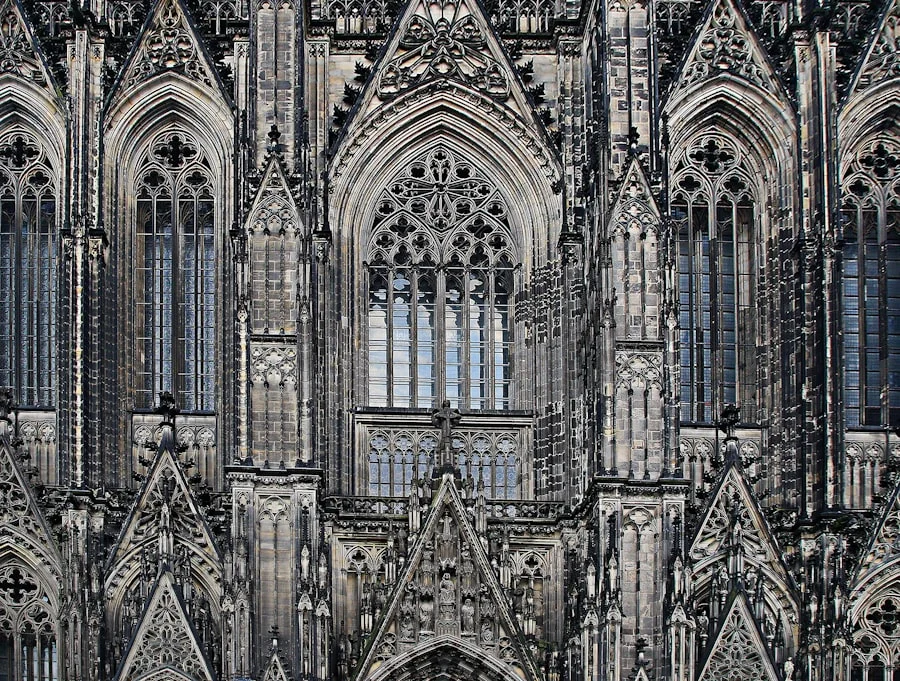
Striking a Balance between Dark Aesthetics and Modern Principles
Embracing Gothic home décor often involves incorporating darker elements, but it’s crucial to balance these with modern design principles. A successful integration allows for a harmonious blend that feels both timeless and contemporary.
Pairing Modern and Traditional Elements
One effective approach is to incorporate modern furniture pieces alongside traditional Gothic elements. For instance, pairing a sleek glass coffee table with ornate armchairs can create an intriguing juxtaposition that highlights both styles.
Color Schemes and Accents
Color schemes also play a significant role in achieving this balance. While deep hues are characteristic of Gothic design, introducing lighter shades or metallic accents can help prevent the space from feeling overly heavy or oppressive. For example, using gold or silver accents in decorative accessories or light fixtures can add a touch of modern elegance while complementing darker elements.
Creating an Airy Feel with Open Layouts and Natural Light
Additionally, maintaining an open layout with ample natural light can help create an airy feel that counteracts the density often associated with Gothic interiors.
Tips for DIY Gothic Home Décor Projects
For those looking to infuse their homes with Gothic charm without breaking the bank, DIY projects offer an excellent opportunity for creativity and personalization. One simple yet impactful project is creating custom wall art using stencils or decoupage techniques. By selecting images that resonate with Gothic themes—such as ravens, skulls, or intricate patterns—homeowners can craft unique pieces that reflect their style while enhancing their décor.
Another engaging DIY project involves repurposing vintage furniture items to align with Gothic aesthetics. A simple coat of dark paint on an old dresser or side table can transform it into a statement piece that fits seamlessly into a Gothic-inspired room. Adding ornate hardware or embellishments like faux leather accents can further elevate its appearance.
Additionally, creating your own candle holders using materials like glass jars or wrought iron can add personalized touches while providing atmospheric lighting throughout your space.
Where to Find Gothic Home Décor Inspiration and Resources
Finding inspiration for Gothic home décor can be an exciting journey through various resources available both online and offline. Websites dedicated to interior design often feature sections specifically focused on Gothic styles, showcasing curated collections of furniture, accessories, and art pieces that embody this aesthetic. Platforms like Pinterest are invaluable for discovering creative ideas; users can explore boards dedicated to Gothic interiors filled with images ranging from grand estates to cozy nooks.
Visiting local antique shops or flea markets can also yield unique finds that contribute to a Gothic ambiance. These venues often house one-of-a-kind items steeped in history that can add character to any space. Additionally, engaging with online communities centered around Gothic culture—such as forums or social media groups—can provide insights into current trends and DIY projects while connecting like-minded individuals who share similar interests in this captivating design style.
By exploring these resources, homeowners can gather inspiration and ideas to create their own enchanting Gothic sanctuaries.
If you’re looking to enhance your home with unique and elegant pieces, be sure to check out Gohna’s collection of Gothic home décor items. From intricate candle holders to ornate wall art, their selection is sure to add a touch of dark elegance to any space. For a practical yet stylish addition to your home, consider their Fold with Ease 2025 Foldable Portable Comfortable Sturdy Folding Chairs. These chairs are not only convenient for extra seating when needed, but they also boast a sleek design that complements a Gothic aesthetic.